
Winning in 1983, the next team on the 1980s FA Cup Winners list is Manchester United. This was a fabulous final, with everything for the neutral bar the win for Brighton, wink, wink.
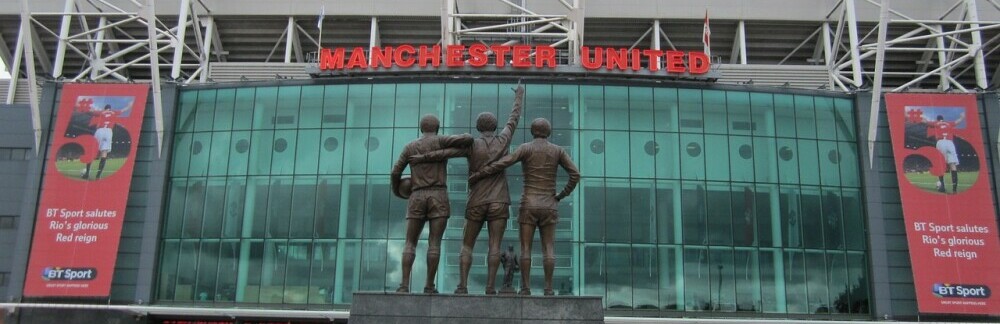
As usual, the FA Cup did not fail to deliver fans across the globe. For this newly minted teenager, Cup Final day meant the usual half day camped in front of the TV, with the bonus of a replay. Another replay? You bet!
1982-83 was unusual in one striking regard – the apparent lack of giant-killing. One team of underdogs did rise to the occasion, managing to get all the way to the final, turning the traditional football hierarchy on its head. Of course, I’m talking about the journey of Brighton & Hove Albion. Their emotional rollercoaster caught the attention of even the most casual observers. It’s not often you see a team struggling in the league while simultaneously dazzling in the Cup. But for Brighton, the FA Cup was a beacon of hope in an otherwise grim season. Yet, despite their acts of giant killing, one of the Giants ultimately prevailed.
So, let’s take a moment to remember Brighton’s adventure. Let’s revisit their underdog tale. It’s a tale that remains endearing, not just for the wins, but for the spirit they showed and their final, double agony.
Brighton & Hove Albion’s Remarkable Journey to the Final
Imagine a journey on a cold and wet January day just after the turn of the year. Imagine piling onto coaches at some unforsaken hour of the day. Then imagine sitting on that coach for six hours or more as you travel from the dark satanic streets of Tyneside to the balmy south coast of England to watch a game of football. The second-division Magpies would have fancied their chances of a bit of giant killing themselves as their opponents were not faring well in the first division – at this point, they were fourth from bottom with 24 points.
A 1-1 draw on Saturday 8 January meant that Brighton would themselves have to make that 6+ hour journey. With FA Cup replays taking place within a few days after a drawn game at this time, it was almost as if a game of hide and seek were taking place. Within hours of their guests leaving for home, Brighton themselves would have to pile on their own coaches to make the tortuous journey north for the replay.
On a late Wednesday morning, the Brighton fans set off, chasing the Geordie hordes back up the M1 and A1(M). Newcastle must really have fancied themselves in the replay. However, history shows us that the Seagull’s journey north was a happy one as a slim single-goal victory in the replay proved enough for Brighton to advance. Round 4 beckoned and a date with Manchester City.
Going into the game at the end of January, two league defeats meant Brighton sat second from bottom. FA Cup momentum was maintained as they humped City at the Goldstone Ground – 4-0. Brighton moved on.
Fifth round and Anfield. A sort of homecoming. Jimmy Melia, Brighton’s manager had played 269 games for Liverpool, scoring 76 goals in his ten years there between 1954 and 1964. Jimmy Case, Melia’s midfield general, was a more recent departee from Liverpool having played 183 games scoring 23 times.
It shouldn’t have happened, but it did. At Anfield the Seagulls soared, clinching a historic 2-1 victory against Bob Paisley’s decorated squad – scorer of the winning goal, J. Case. Fans and pundits alike were left speechless, an extraordinary upset had occurred. Meanwhile, in the league, B&HAFC was now rock bottom, having collected just a single point since beating City.
The Seagulls’ path to Wembley continued with another 1-0-win, courtesy of Jimmy Case against Norwich City in the quarterfinals. Their league form had picked up slightly as they had beaten Swansea City at the Vetch and moved off the bottom of the table. With each step along the way, they were becoming genuine contenders, their success a nod to the FA Cup’s reputation for drama and unpredictability.
The Climactic FA Cup Battles: Semis and the Thrilling Initial Final
The semi-final presented a stage at Highbury set for heroics. They did not disappoint. Taking on Sheffield Wednesday, Brighton emerged as 2-1 winners. Jimmy Case scored again, opening the scoring on 15 minutes before Wednesday’s equaliser and Michael Robinson grabbing the winner with 12 minutes remaining. League form was a real concern by now though. Brighton had managed another 7 points in the meantime, but they were now 6 points adrift of fourth from bottom Luton Town. Even so, Wembley!
Meanwhile, Manchester United’s route to the semifinals saw them beat West Ham at Old Trafford, followed by two away wins at Luton Town and then Derby County. Then a return to Old Trafford for their 1-0 quarter-final win over Everton.
At Villa Park, they mirrored Brighton’s result, also claiming a 2-1 victory. Tony Woodcock’s opening goal for the Gunners was answered by Bryan Robson just after halftime before Norman Whiteside scored their winner with 20 minutes left.
This set the stage for a classic David versus Goliath showdown, pitting a struggling Brighton side against a Manchester United team anchored by the indomitable Bryan Robson.
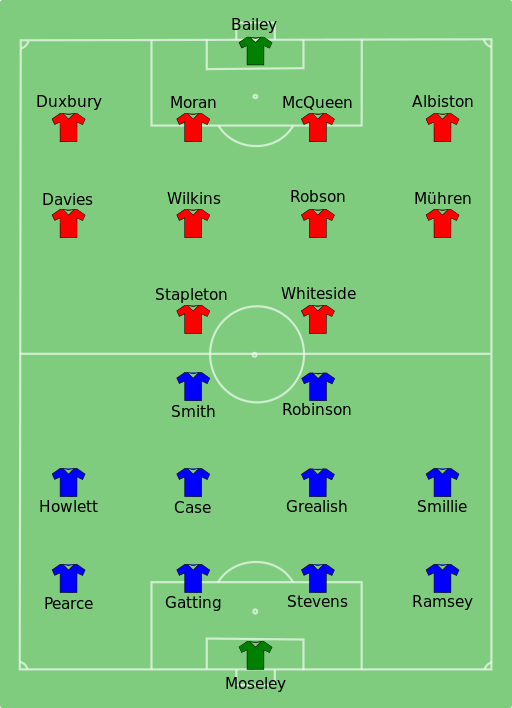
The final was set. Wembley Stadium is a place where legends are made, and dreams can either be fulfilled or dashed. The final whistle of normal time saw the teams level, leading to the tension-fuelled drama of extra time. Gordon Smith’s fifteenth-minute opener had been seen by Frank Stepleton and then raised by Ray Wilkins to leave United within minutes of a 2-1 victory. But then up popped Garay Stevens to level the game.
If he had scored, Gordon Smith would have been a hero for the ages. He would certainly have never bought a drink in Brighton ever again. But his golden opportunity to become an eternal hero for the Seagulls was passed over. Peter Jones’ radio commentary ‘…and Smith must score…’ was still resonating as Bailey made the save. The clock showed 119 minutes had passed. The final whistle soon blew, and the match finished in deadlock.

Manchester United’s Triumph and Brighton’s Bittersweet Ending
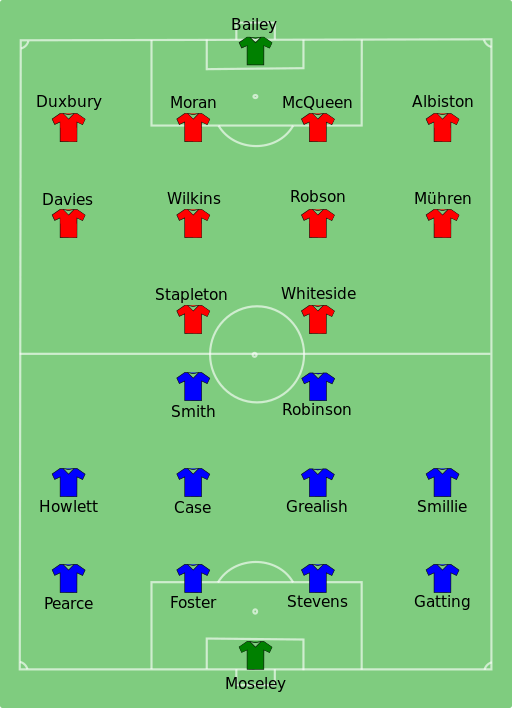
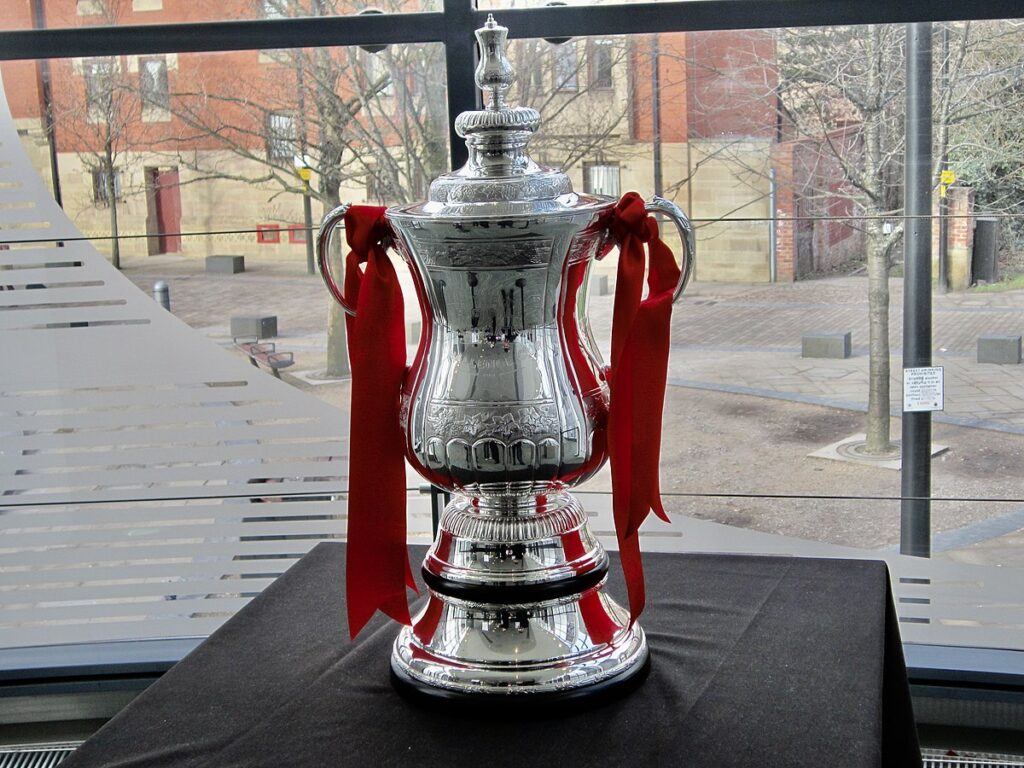
But let’s not forget the winners. I would be remiss if I didn’t acknowledge Manchester United’s commendable victory in the 1982-83 FA Cup replay. Despite Brighton’s valiant fight, the second meeting was far more one-sided. With Bryan Robson sparking the momentum in the twenty-fifth minute, United proved too much for the Seagulls, ultimately claiming a decisive 4-0 win. Further goals came from Norman Whiteside, Robson again and an Arnold Mühren penalty just after the hour. The Red Devils’ win added another prize, their fifth FA Cup, to the Old Trafford honours board.
_01.jpg)
That season’s conclusion was, however, bittersweet for Brighton & Hove Albion. Their dazzling FA Cup journey remains a highlight in the club’s history, but it is juxtaposed against the harsh reality of relegation, which was confirmed on 7 May after Manchester City had beaten them 1-0 at the Goldstone.
After this roller coaster of a season, Brighton continued to soldier on, albeit outside of the top-flight league. It wasn’t until the 2017-18 season that they made their triumphant return to the Premier League, rekindling the dreams of their fans.
While the Seagulls’ FA Cup saga didn’t culminate in the fairy tale ending many had hoped for, the 1982-83 competition is a memorable chapter in English football. Football can be a harsh mistress and success fickle and fleeting. The great joy and immense heartbreak are two sides of a coin, but they help to underpin the magic of the beautiful game.