
In 1982, the world witnessed the sudden ignition of the Falklands War. This was a disagreement, which had been simmering since 1976, and exploded into a conflict that swiftly drew global attention. It certainly was one of the significant events of 1982.
In the early hours of 2 April, Argentine forces invaded the Falkland Islands, a small archipelago in the South Atlantic Ocean. This resulted in a ten-week war with the United Kingdom, which had long held sovereignty over the islands.
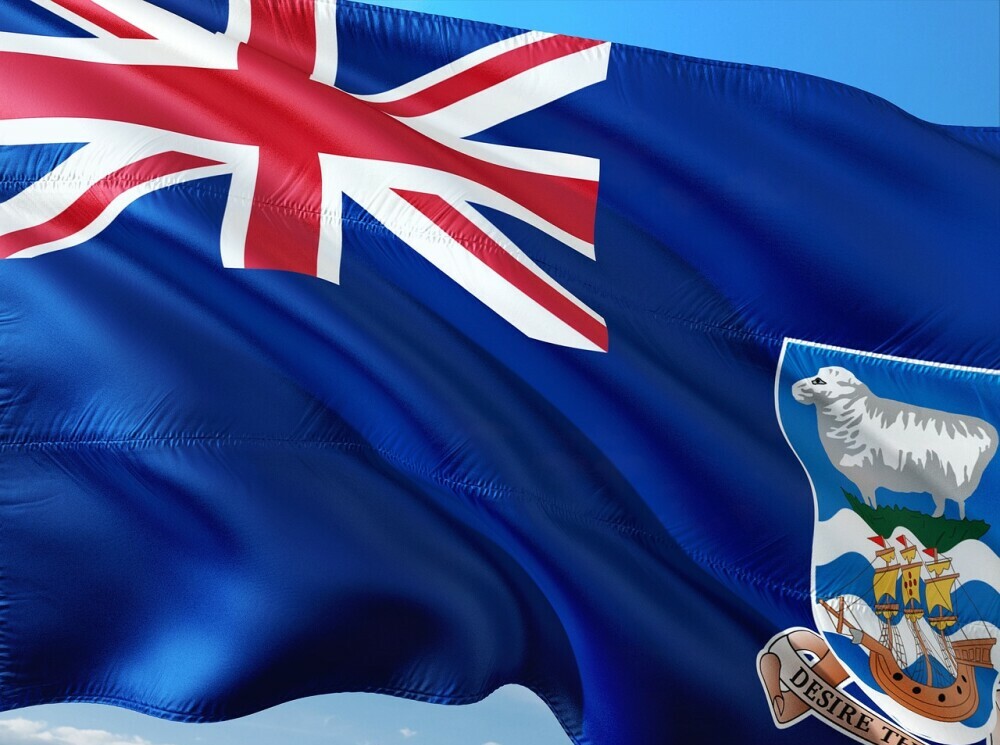
European ownership of the Falklands has a complex history of territorial claims dating back to the 15th century. From 1764 they were a de facto French possession. Ownership then fluctuated between Britain, Spain, Britain, embryonic Argentina, the United States, Argentina and finally, from 1834, Britain. Even before the French occupation in 1764, the islands had been, de jure, claimed by Spain because of the 1494 Treaty of Tordesillas following from the previous year’s Papal Bull which had divided the new world between Spain and Portugal.
Through the original Spanish possession of the islands, the Argentinians believed that they had a claim to the islands, known to them as Las Islas Malvinas. Inevitably, this clashed with British possession. The war became not only a battle over territory but also a matter of national pride for both countries.
The British response was resolute. Within 48 hours, Prime Minister Margaret Thatcher deployed a naval task force to retake the islands. This move can be seen as emblematic of a larger military and diplomatic strategy of the era. The ensuing battle involved both naval and land forces and saw significant losses on both sides.
The global political implications were vast. For Britain, the successful retaking of the islands bolstered national morale and, arguably, helped boost the appeal of the ruling Conservative Party, resulting in their winning a landslide victory in the 1983 general election. It also had profound implications for government and military policy. Internationally, it prompted discussions on sovereignty, colonialism, and the role of force in international disputes.
The Falklands War certainly made its mark on the late 20th century’s roll call of conflict, reminding the world that even in an age of supposed detente and diplomacy, territorial conflicts could still lead to open warfare. As we turn our gaze from the wind-swept battlegrounds of the Falklands to the Middle East, we see another theatre of war taking the international stage in 1982: the Israeli invasion of Lebanon.
Turbulence in the Middle East: The Israeli Invasion of Lebanon
Towards the end of the Falklands War, on 6 June 1982, a significant event that would add to the enduring instability in the Middle East occurred: the Israeli invasion of Lebanon. Codenamed Operation Peace for Galilee, the military offensive had aims that extended beyond border security, ostensibly to eradicate the Palestine Liberation Organization (PLO) presence in Lebanon, which was launching attacks into northern Israel.
The civilian toll, estimated at almost 50,000, was immense. As Israeli Defence Forces (IDF) clashed with PLO fighters and their allies, residential areas were engulfed in the conflict. The bombardment and siege of Beirut, the Lebanese capital, led to heavy civilian casualties and infrastructure devastation, drawing an outcry from the international community.
In terms of a definitive outcome, the war was inconclusive. More than 14,000 PLO fighters were evacuated from Beirut in August and September and Israel withdrew from its positions around the city on 29 September. The conflict’s long-term consequences reconfigured the power dynamics in Lebanon and the surrounding region. With the PLO’s subsequent displacement from Lebanon, other players like Hezbollah gained prominence. The IDF’s occupation of Southern Lebanon lasted until 2000, leaving a legacy of hostility and periodic skirmishes.
International reactions to the Israeli invasion were mixed. While the United States facilitated negotiations leading to the withdrawal of the PLO from Lebanon, the United Nations condemned the excessive use of force and the large-scale human suffering it caused, highlighting the challenges of achieving long-lasting peace in the region.
Milestones in Space and Entertainment: Columbia’s Journey and Jackson’s Thriller
1982 witnessed a significant leap for humanity’s aspirations in space with the launch of the space shuttle Columbia on its third mission, Space Transportation System 3 (STS-3). This event on 22 March 1982, marked a milestone in human spaceflight, demonstrating the shuttle’s capabilities and potential for reusability.
Columbia carried out various experiments in Earth orbit, paving the way for future research and the International Space Station. However, the mission wasn’t just about science. The images of Columbia taken during the eight-day mission, and her triumphant return to Earth sparked public enthusiasm. This helped to foster a sense of pride and wonder about the potential of human space exploration.
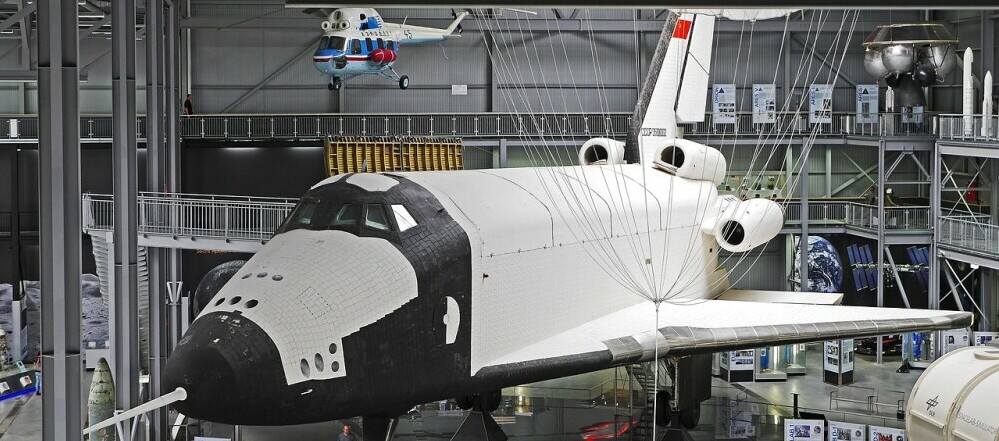
In total, there were 130 orbits made and a total of 3,300,000 miles travelled. With the originally intended landing site, Edwards Air Force Base, experiencing flooding, the vehicle landed successfully on 30 March, at White Sands missile range in New Mexico. The mission highlighted the possibilities that space exploration offered to the public and served as a beacon of technological prowess and national pride for the United States.
In entertainment, another phenomenon took centre stage: Michael Jackson’s Thriller. Released on 30 November, this album rewrote the rules for music production, promotion, and its role in popular culture. Thriller not only solidified Jackson’s status as the King of Pop but also broke barriers across race and genre. Its iconic music videos pushed forward the art of storytelling in the medium, blending music with cinema-level narratives.
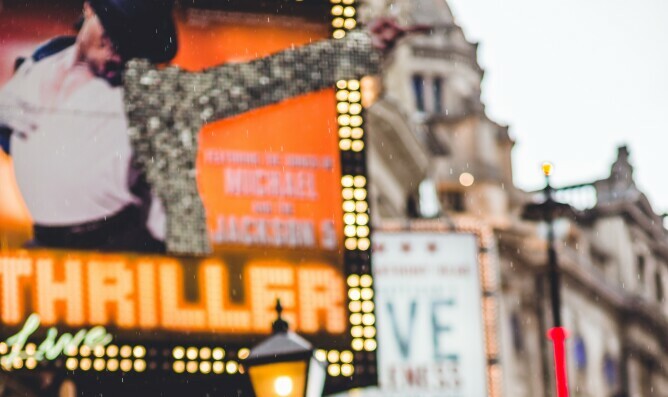
Tracks like Beat It and Billie Jean soared to the top of the charts (both reaching the top 5 on the Billboard Hot 100 and the UK singles chart), while the title track Thriller became legendary for its dance routine and horror-inspired video. This was the album that music fans didn’t know they needed until they heard it and then were hooked. It became, and remains, one of the best-selling records of all time. It was a testament to the power of music to unify and inspire people across the globe in ways that transcended the limitations of space and time.
The World Mourns: A Farewell to Icons and Leaders
The year 1982 was marked not only by monumental events that shaped the political and cultural landscape but also by the loss of influential figures whose lives left indelible marks on society. Princess Grace of Monaco, the former Grace Kelly, was an emblem of classic Hollywood glamour turned royalty. She tragically passed away, aged only 52, sending ripples of grief across the globe. Her philanthropic legacy and timeless elegance remain as reminders of her profound impact outside the silver screen.
In the same vein, the world of comedy and film suffered a jarring blow with the death, at only 33 years old, of John Belushi. A gifted performer whose raw energy and comedic genius captured the spirit of the era, Belushi’s untimely departure left a void in entertainment that prompted a reflection on the pressures of fame. He is perhaps best remembered for his part as ‘Joliet’ Jake Blues, opposite Dan Akroyd as his brother Elwood, in 1980’s The Blues Brothers. Other notable films include National Lampoon’s Animal House, and Neighbours.
The political arena also faced a significant transition. The death of Soviet leader Leonid Brezhnev signalled the end of an era, initiating a period of change and uncertainty during the Cold War. This was hardly surprising, given what was known as the Brezhnev Stagnation, a period of societal decline under his leadership. Ultimately, his passing has been seen as a crucial turning point in East-West relations, paving the way for a new leadership dynamic within the USSR and on the international stage.

As we reflect on the pivotal events of 1982, these figures—each notable in their own right—underscore the multifaceted nature of global change during this period. Their legacies, diverse yet equally profound, continue to resonate, reminding us of the human dimensions behind the headlines. We honour their contributions, remember their humanity, and appreciate the era that forged them.
Other Significant Deaths
January
13 January – Marcel Camus, French film director (b. 1912)
30 January – Stanley Holloway, British actor (b. 1890)
30 January – Lightnin’ Hopkins, American blues musician (b. 1912)
February
4 February – Alex Harvey, Scottish musician (b. 1935)
17 February – Thelonious Monk, American jazz pianist (b. 1917)
March
2 March – Philip K. Dick, American author (b. 1928)
5 March – John Belushi, American comedian, actor, and singer (b. 1949)
6 March – Ayn Rand, Russian-born author (b. 1905)
8 March – Rab Butler, British statesman (b. 1902)
19 March – Randy Rhoads, American guitarist for Ozzy Osbourne (b. 1956)
21 March – Harry H. Corbett, English actor, and comedian. Famous for his portrayal of Harold Steptoe in the BBC comedy Steptoe and Son written by Galton and Simpson. (b. 1925)
29 March – Carl Orff, German composer (b. 1895)
April
15 April – Arthur Lowe, British actor. Famous for his portrayal of Captain George Mainwaring in the Perry and Croft comedy, Dad’s Army on the BBC. (b. 1915)
May
8 May – Gilles Villeneuve, Canadian race car driver (racing accident) (b. 1950)
28 May – Lt Col H. Jones, VC, British soldier (Falklands War) (b. 1940)
June
8 June – Satchel Paige, American Negro League baseball player and a member of the MLB Hall of Fame (b. 1906)
11 June – Anatoly Solonitsyn, Soviet and Russian actor (b. 1934)
13 June – King Khalid of Saudi Arabia (b. 1913)
13 June – Riccardo Paletti, Italian Formula 1 driver (racing accident) (b. 1958)
17 June – Roberto Calvi, Italian banker (b. 1920)
29 June – Pierre Balmain, French fashion designer (b. 1914)
July
4 July – Terry Higgins, early British casualty of AIDS. His name was used to educate people regarding HIV sexual health – The Terence Higgins Trust. (b. 1945)
12 July – Kenneth More, English actor (b. 1914)
August
12 August – Henry Fonda, American actor (b. 1905)
21 August – King Sobhuza II of Swaziland (b. 1899)
23 August – Stanford Moore, American biochemist, Nobel Prize laureate (b. 1913)
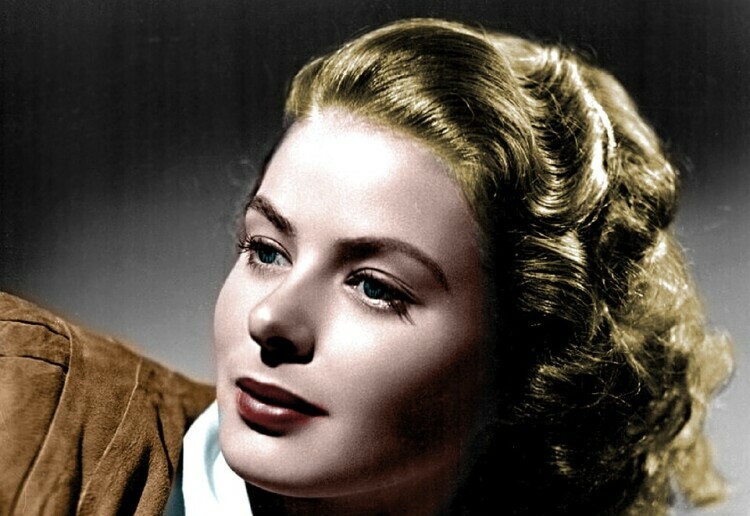
29 August – Ingrid Bergman, 67, Swedish actress (b. 1915)
September
5 September – Sir Douglas Bader, British fighter pilot and inspirational leader during the Battle of Britain (b. 1910)
14 September – Bachir Gemayel, President-elect of Lebanon (b. 1947)
14 September – Grace Kelly, American actress; Princess of Monaco (b. 1929)
24 September – Sarah Churchill, British actress, daughter of Winston Churchill (b. 1914)
October
3 October – Vivien Merchant, British actress (b. 1929)
8 October – Philip Noel-Baker, Canadian-born peace activist; recipient of the Nobel Peace Prize (b. 1889)
18 October – Bess Truman, First Lady of the United States (b. 1885)
20 October – Jimmy McGrory, Scottish football player and manager (b. 1904)
29 October – William Lloyd Webber, British organist, and composer. He is the father of composer Andrew Lloyd Webber and cellist Julian Lloyd Webber. (b. 1914)
30 October – Wolfgang Heinz, German actor (b. 1900)
31 October – Dick Merrill, American aviation pioneer (b. 1894)
November
5 November – Jacques Tati, French filmmaker (b. 1907)
10 November – Leonid Brezhnev, Soviet politician, General Secretary of the Communist Party of the Soviet Union, and Chairman of the Presidium of the Supreme Soviet (b. 1906)
24 November – Barack Obama Sr., Kenyan economist (b. 1934)
December
2 December – Marty Feldman, British comedian, and writer (b. 1934)
16 December – Colin Chapman, British designer, inventor, and builder in the automotive industry (b. 1928)
27 December – Jack Swigert, American astronaut (b. 1931)