
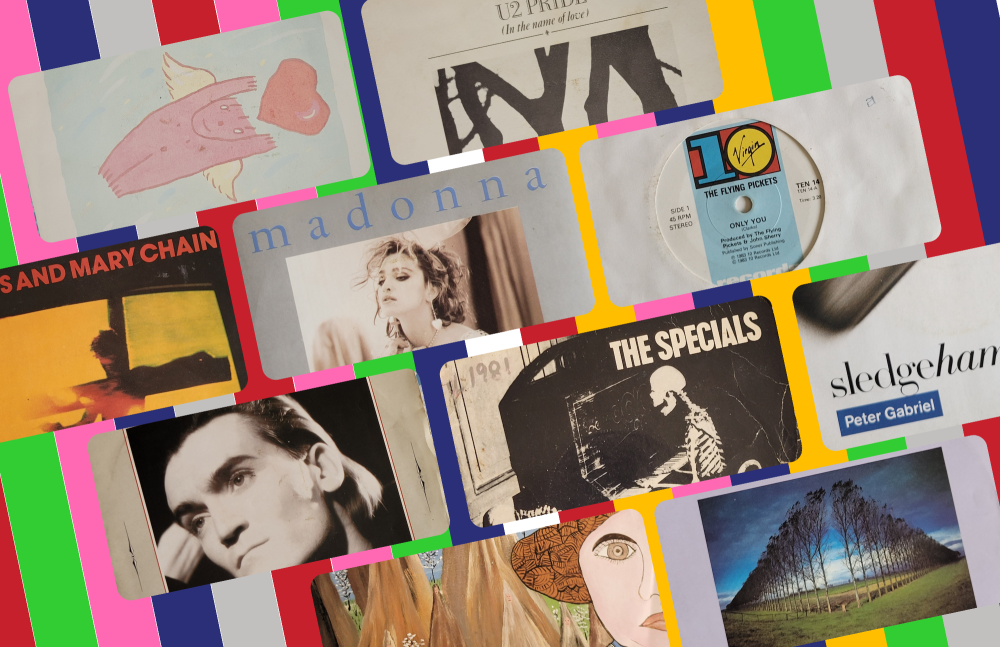
Righto! Here we go! Let’s dip into the wonderful world that is 1980s pop music. Having lived through it, I can confirm that it was an electrifying mix of catchy tunes, vibrant personalities, and significant cultural highlights which still have meaning and influence today.
Through my paper round, I had the funds to buy around a hundred 7-inch singles – more of which later. This article is about some of the greatest hits of the eighties by some of the decade’s greatest artists.
There’s a danger with attempting to write a piece on such a wide-ranging topic – grief, there were 500 UK singles charts and an equal number of UK album charts. Even with the overlap of tracks sticking around for weeks, any given chart will be a unique document of any particular week.
So, without further ado, let’s get on with it as we talk about icons of the decade. Off the top of my head, there are four standouts – Madonna, George Michael of Wham!, Michael Jackson and Prince. Of course, this is a fairly short list, but also arbitrary, list of solo artists. But it’s a starting point – as good a place as any at which to dive in.
Madonna
Madonna Louise Ciccone was more than just a singer – heck she was trained as a dancer. But to get back on point, she totally redefined what it was to be a female artist. And what’s more, she did it on numerous occasions as she changed her musical style or her fashion style. I bought six of her singles, beginning with Like A Virgin. Honestly, the effect she had on the hormones of the just-turned-fifteen-year-old me, shish!
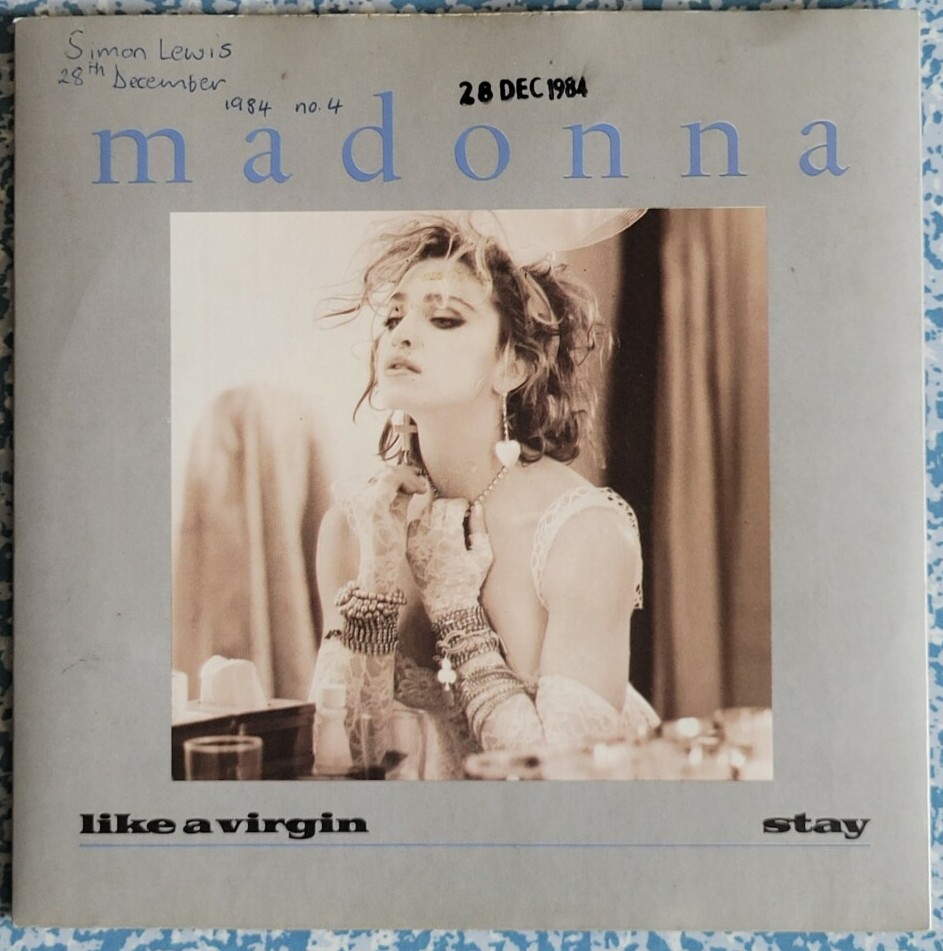
Put simply, she was a powerhouse of pop culture. If you were to set your sights on the UK musical landscape in the 80s and 90s, you’d be hard-pressed not to notice the imprint Madonna left behind. It wasn’t just tracks like Like a Virgin or Material Girl that got us hooked; it was that hitherto almost unparalleled knack for reinventing herself and staying relevant in the rapidly changing music scene.
It’s by no means overstating things in saying that she turned the dial to eleven for female empowerment through her artistic expressions. She challenged societal norms, and you bet that challenge didn’t go unnoticed in the UK. Later eighties tracks, such as Like a Prayer and Express Yourself, became anthems of personal freedom and strength, enhancing her hold on the British pop cultural zeitgeist.
George Michael and Wham!
Next, we have George Michael. In the beginning, this awkward son of a Greek-Cypriot father and an English mother, was part of the dynamic duo Wham!. With his partner Andrew Ridgely, he conquered the charts and then with Ridgely’s support and blessing he proceeded to a stellar solo career.
Both as part of Wham! and as a solo artist, George Michael is synonymous with the sound of the eighties in the UK. The impact he made was nothing short of phenomenal. Taking just two examples, Careless Whisper‘s saxophone intro is instantly recognizable and Last Christmas battles with Slade’s Merry Christmas Everybody for most favoured Christmas track every year.
It’s not just the music that made George Michael a household name; he was equally known for his style and the bold fashion statements that became emblematic of the era. From the leather jacket and stonewashed jeans to the iconic ‘Choose Life’ t-shirts, George Michael crafted an image that was fresh, compelling, and wholly embraced by the British public.
But he wasn’t content with just fame; he sought to push boundaries in his music and personal life, often using his platform for activism and to champion causes he believed in. This only elevated his standing in the eyes of his fans and across the British music scene.
The influence of George Michael and Wham! didn’t fade after the 80s; it continues to inspire new generations of musicians and listeners. With a catalogue of hits that have been reimagined through countless covers and samples, George Michael’s art remains a cornerstone of British pop culture and music legacy.
Both Madonna and George Michael completely redefined the concept of being a pop star and bent the boundaries of pop music completely out of shape. Now let’s move on to another pair of big hitters.
Musical Magicians: Artists Who Redefined Genre Boundaries
Next up is another pair of American artists for whom boundaries meant nothing. Both Michael Jackson and Prince would jump the tracks to create entirely new sounds. Jackson seemed to seamlessly fuse pop, rock, and funk. Prince produced an eccentric mix of vibes which transcended categorisation.
These two powerhouse artists both achieved great success in the UK singles chart. Jackson’s 1983 number one, Billie Jean taken from Thriller, was the second of three solo number ones for him. It transcended boundaries, more a cultural event than a mere 7-inch single.
Michael Jackson
In the very earliest days of the eighties, the son of Gary, Indiana, Michael Jackson was still very much a part of the Jacksons as well as becoming an international hit as a solo artist. With 1982’s Thriller – released whilst still a member of the Jacksons, and 1987’s Bad, he brought something new to the UK music landscape – a fusion of pop, rock, R&B, and funk that captivated British audiences. The impact of these iconic albums was undeniable, thrusting Jackson to the forefront of the international music scene.
This isn’t just about Jackson’s top-selling status; it’s also about his cultural influence. Much in the way of Madonna and George Michael, the UK didn’t just listen to his music; his unique style and dance moves were emulated. Thriller, with its groundbreaking music video, was a cultural milestone and completely changed the game for what artists could achieve visually in music.
His music was a constant presence in British pop culture, from moonwalks at local talent shows to those red leather Beat It jackets on the high street. Whilst his life was sometimes controversial, the legacy of his music in the UK remains clear. British fans continue to celebrate his artistry, often ranking his hits at the top of ‘greatest songs’ lists time and again.
The UK cherished Michael Jackson as much as any part of the world. Witness his record-breaking sales and chart-topping hits to the adoring fans who filled stadiums whenever he toured. His death in 2009 left a void in the music industry, but it also reaffirmed his status as a cultural icon whose influence transcended nations and generations.
Prince
And let’s not overlook Prince for he too, was a pop colossus. Again, not British, his influence on the UK music scene was huge. His intuitive blend of pop, rock, and funk is perhaps best demonstrated in his 1984 masterpiece Purple Rain. Its title single reaching number 8, becoming Prince’s anthem for an entire generation.
Their genius lay not just in the blend of genres but in the boldness to experiment and innovate. Their legacy is undeniable, shaping not only the sounds of the ’80s but also influencing countless artists today. This part will explore the creativity and risk-taking that made their music timeless and how it continues to inspire the industry.
Between them, and others, they wove a rich fabric of influence and impact. If songs such as Like a Virgin, 1999, Thriller, or Wake Me Up Before You Go-Go came on the radio, or one of the myriad mix tapes that we teenagers had made, we listened, danced, and sang along. It’s true. As well as climbing to the upper reaches of the charts, they became anthems that defined pop culture for years to come – indeed, their influence is felt today.
Beyond catchy hooks and danceable rhythms, these pop sensations played a major role in shaping the UK’s social and cultural landscape. It was visible in the fashion trends they inspired with their videos; it was audible in the repeated spins on Radio One and felt in the pulse of a generation ready for change and innovation.
Before the advent of social media, this tale of catchy tunes soundtracked the birth of modern celebrity culture and media, where music videos, magazine covers, and talk show appearances generated as much buzz as the music itself.
Rock and New Wave Explosion
Of course, the 80s was not just about pop. Oh no. Let’s pump up the amp and dive into the rock and new wave scenes that coloured the UK’s music scene. This era wasn’t just about catchy melodies and danceable tunes; it was also about electric riffs and the fresh, rebellious attitude that new wave – an offspring of punk rock, let’s not forget – brought to the table.
Who were the heroes of new wave? Arbitrary list alert! Let’s consider two. The Police and Duran Duran were bands that didn’t just climb the charts, they spent weeks at or very near the top. Starting with The Police, their track Every Breath You Take was a global phenomenon and probably catapulted Sting to global stardom. It’s the kind of tune that sticks with you, whether you’re a die-hard fan or a casual listener.
Duran Duran
Then you’ve got Duran Duran, whose debut Planet Earth, which although only reaching number 12 in the chart, is an absolutely banging tune. Then there was Rio with its epic yacht-based video. These boys weren’t just making waves musically but visually too, with their style and further groundbreaking music videos setting a precedent for artists to come.
The 80s were a time of bold fashion, expressive art, and musical innovation, and few bands captured the essence of this era better than Duran Duran. They were chart-toppers and trendsetters; blending synth-pop with rock in ways that are still influential today.
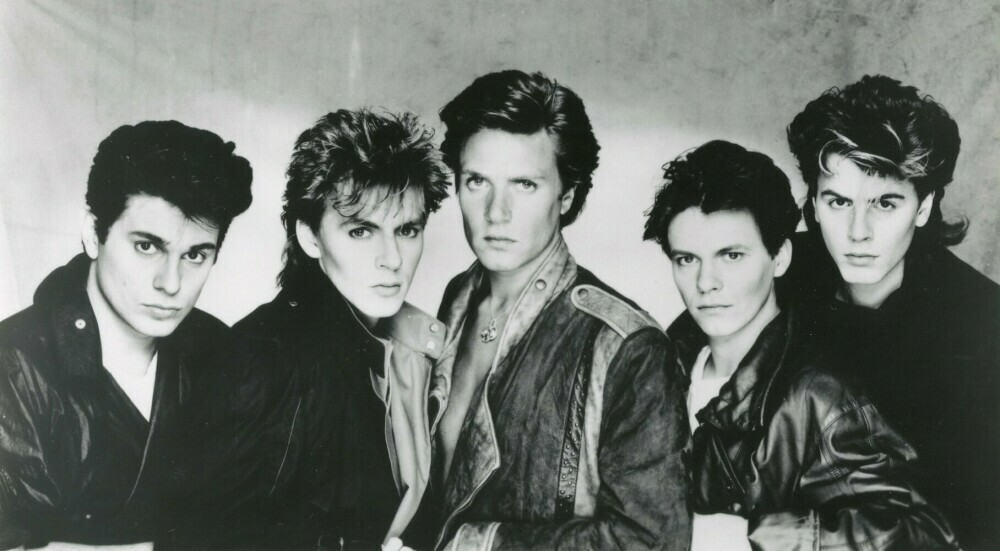
Brian Aris; Distributed by Capitol Records, Public domain, via Wikimedia Commons

Duran Duran’s appeal was worldwide, attracting fans from all over the UK and beyond. They were a central part of the 80s music scene, and their stylish music videos such as the one for Rio, became a staple on MTV, helping to cement their status as international icons.
As with virtually all popular music genres, the rock and new wave explosion of the 80s was about more than mere music. It influenced fashion, with leather jackets and wild hairstyles becoming part of mainstream youth culture in the UK. Its stars weren’t just musicians; they were icons; trendsetters who defined an era.
Diving Deeper Into New Wave
At this point, I beg your forbearance. Initially at least, U2 sat squarely within the New Wave category – probably more so than Duran Duran. The musical style of their first two albums, 1980’s Boy and October from 1981, featured a mix of punk rock energy, post-punk moodiness, and electronic effects, typical of New Wave music. This descriptor applied equally to their visual aesthetics and music videos with their high-contrast, avant-garde style.
As their music evolved, especially by the time of The Joshua Tree (1987), they had moved beyond New Wave, developing a more distinct, expansive rock sound.
Eurythmics
And how can we forget the tunes of the Eurythmics and The Cure? Annie Lennox’s distinctive voice and androgynous look became symbolic of the eighties and hits like Sweet Dreams and There Must Be An Angel (Playing With My Heart) were big hits.
The Cure
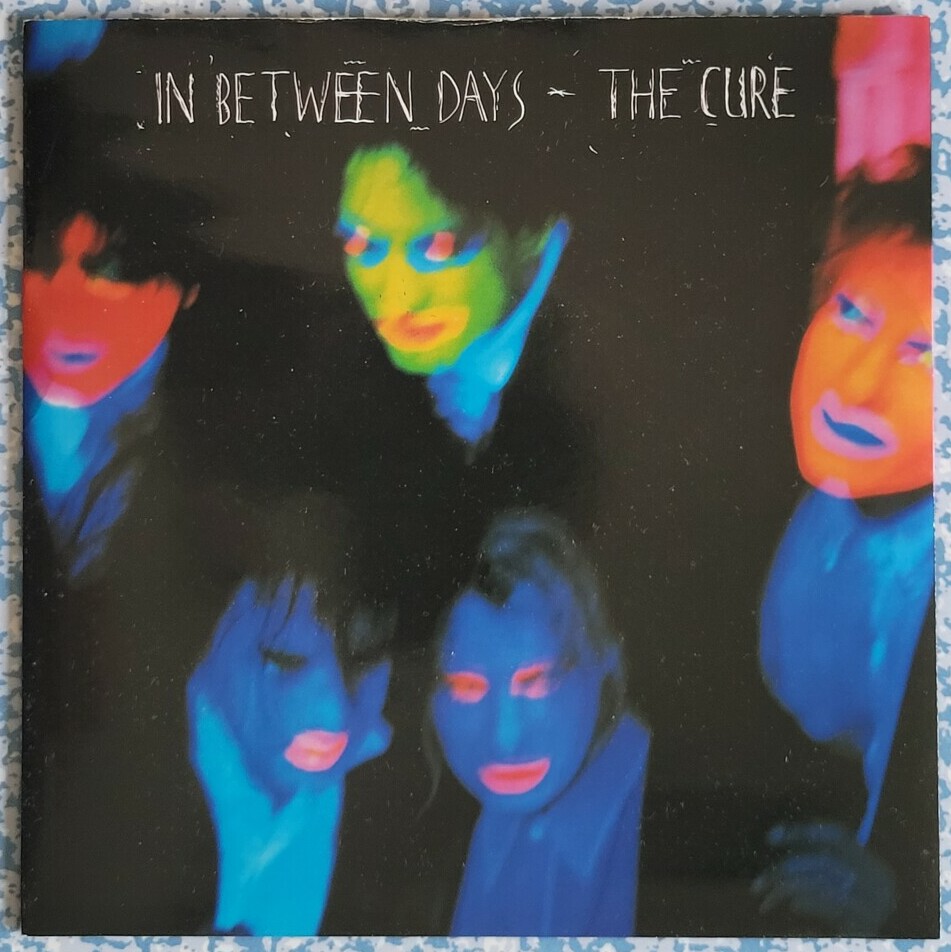
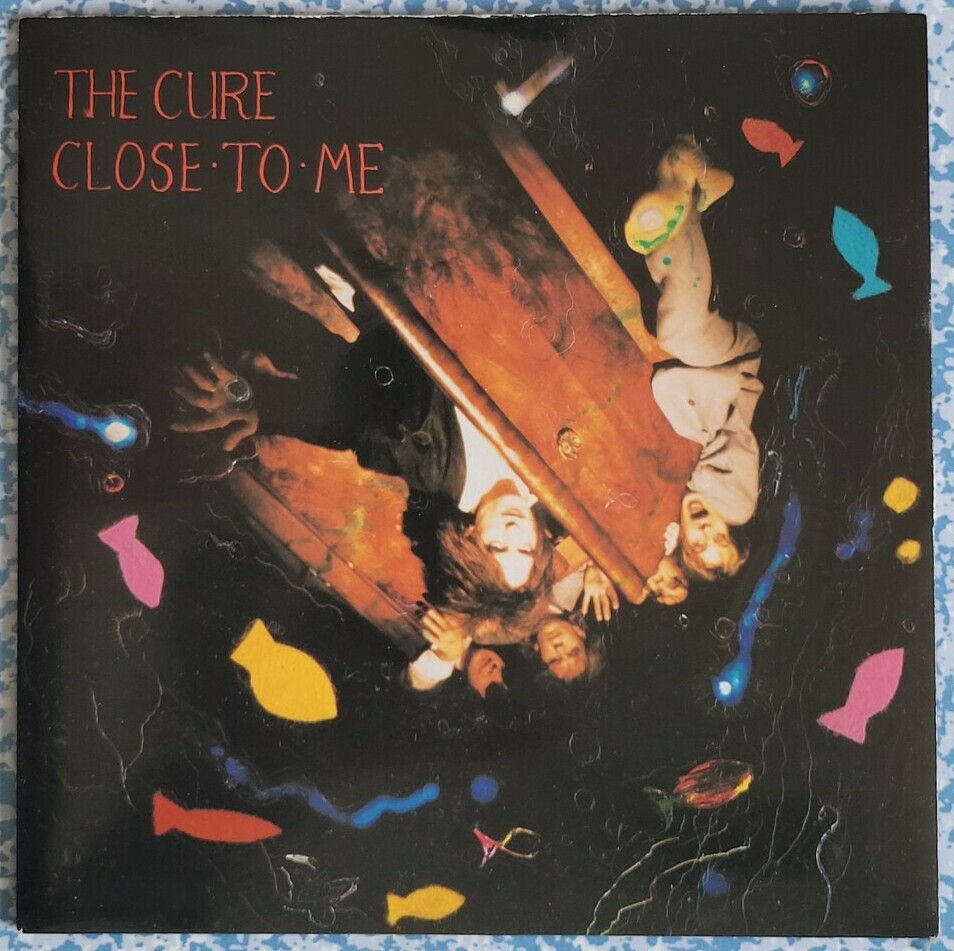
Crawley’s finest had several singles releases, beginning in the late seventies, until 1983’s The Lovecats became their first top ten hit, reaching number 7. One might have expected the floodgates to open, but sadly they did not.
Although prolific and serial releasers of singles, many of their tracks, including fabulous examples such as In Between Days and Close To Me, failed to trouble the top ten.
Ska Music
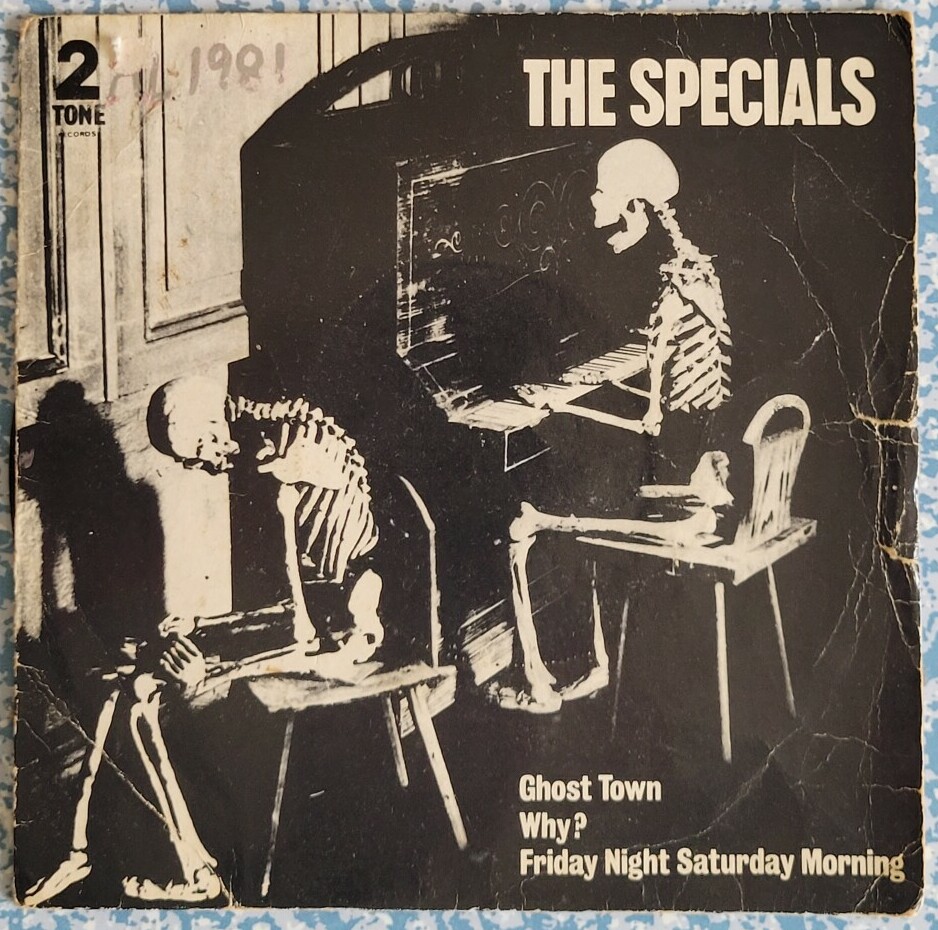
The Specials tapped into the politically charged atmosphere, creating hits that captured the mood of the nation. With one track, The Specials seemed to soundtrack the generational change gripping the nation. 1981’s Ghost Town is an epic commentary on the beginning of the end of Britain’s role as an industrial powerhouse and the impact it was having on people.
Madness
Like the Specials, Madness significantly impacted the British music scene in the late 70s and early 80s by leading the ska revival movement, blending traditional Jamaican ska with punk and pop influences. Achieved substantial chart success with hits like “One Step Beyond,” “Baggy Trousers,” and “Our House,” they appealed to a broad audience with their catchy tunes and distinctive ‘Nutty Sound.’
They were more socially aware than perhaps they have ever been given their just credit. If the band’s stock-in-trade was witty, relatable lyrics about British working-class life, resonating deeply with the public, they also tackled societal and familial reactions to an interracial relationship with their single Embarrassment.
Known for their lively and entertaining live shows, Madness built a strong fan base and influenced other bands with their showmanship and charisma. Overall, Madness left a lasting legacy on British pop culture and music, combining humour and social commentary in a unique and influential way.
Of course, categorisation is always fraught with danger – everyone has their own opinion – but something that really interests me is how these bands served as a bridge to the synth-pop and electronic explosion that followed.
Rock and new wave were pumping through the veins of the UK music scene, but in the background, synthesizers were starting to hum. It’s amazing to see how all these genres coexisted, even complementing each other. Let’s peek at how the UK charts got their distinct electro pulse.
The Rise of Synth-Pop
In my opinion, the 1980s wouldn’t be complete without mentioning the electrifying wave of synth-pop that swept through the UK’s music scene. This isn’t just about new technology; it’s also about a whole new aesthetic and sound that essentially reshaped pop music.
Depeche Mode
Let’s talk about Depeche Mode, a band that has become synonymous with the synth-pop genre. Depeche Mode wasn’t just a band; they were pioneers, using synthesizers not as a gimmick, but as the core of their groundbreaking sound. With hits like Just Can’t Get Enough, they crafted a melodic and catchy sound that’s still influential today.
The Human League
But we can’t limit this discussion to the Mode. Synth-pop would not have been the same without The Human League*. Don’t You Want Me, the Christmas number one and best-selling single from 1981, must surely be on everyone’s 80s playlist. It’s surely the quintessence of how synth-pop was taking over the airwaves, becoming a staple in the UK’s chart history.
This period was a genesis for what would later become the foundation for modern electronic music. Artists were able to experiment with synthetic textures and banging beats, paving the way for future genres like techno, house, and beyond. Around this time, everybody was getting into the groove of electronic beats, and these synth-pop hits were perfect dance floor fillers at clubs and parties all over the UK.
Now let’s park synth-pop and move towards Legendary Ballads and Power Anthems. We’re going to find out about a different, more sentimental side of the eighties. Let’s slow things down a little and get ready for some powerful heart-string tuggers. The eighties pop musical soundscape was a richly woven tapestry – plenty for all.
*Other legendary Sheffield bands of the 80s include Heaven 17, ABC plus their forerunners from the seventies, Cabaret Voltaire.
Legendary Ballads and Power Anthems
Bias alert: If there’s something special about the eighties, it’s the emotional power that the music from that era holds. This emotion comes to life in the ballads and anthems that echoed through the decade, leaving an indelible mark on the UK’s music scene and its listeners.
Whitney Houston
To consider just two of many, we have Whitney Houston’s captivating vocal range and Bonnie Tyler’s husky and powerful delivery. The eighties were a time when power ballads became a force all their own. Houston’s Saving All My Love For You and Tyler’s Total Eclipse of the Heart are perfect examples of this trend. These anthemic songs captured the hearts of an entire generation.
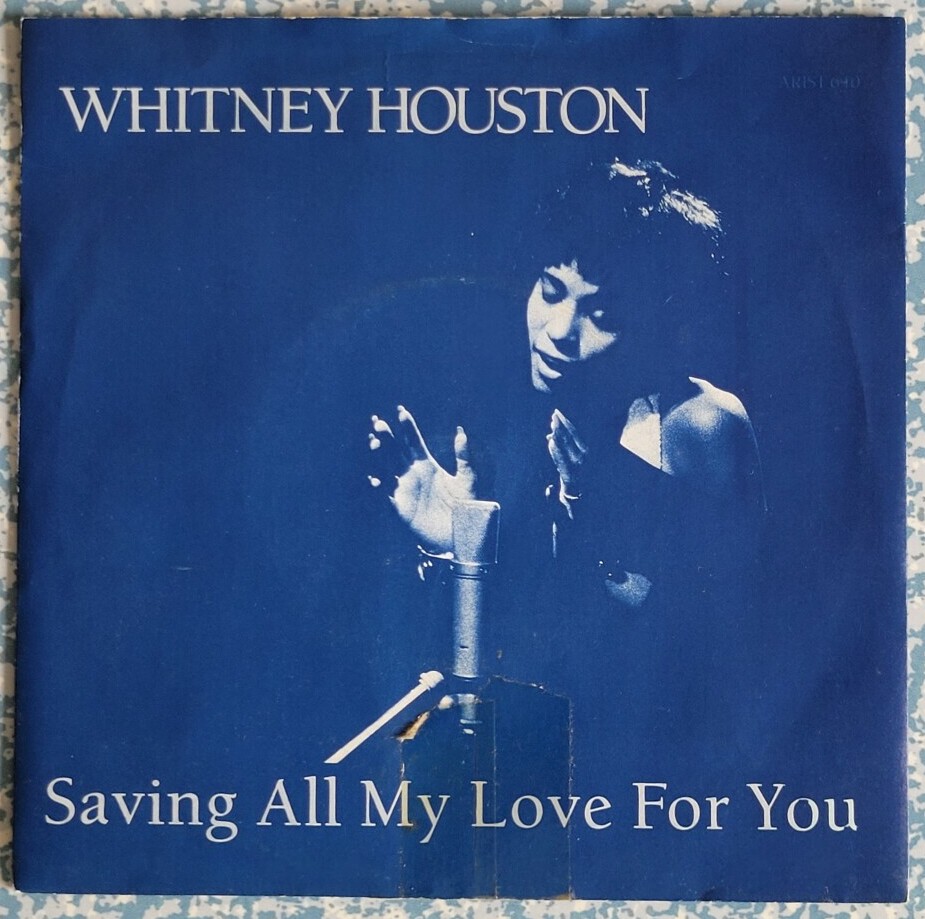
Whitney Houston was pop/soul royalty. Her mother Cissy was a singer of some repute – both in her own right and as a backing singer; not to mention being Dionne Warwick’s aunt. In Whitney, we saw a vocalist who could tug at heartstrings with every note. Her songs were a celebration, a shoulder to cry on, and a powerful exclamation of love and life all rolled into one. Saving All My Love For You was more than just a chart-topper; it was a phenomenon that invited listeners to feel every emotion and move to the beat.
Bonnie Tyler
Born in Neath, South Wales, Bonnie Tyler offered a different flavour of power: deep, heartfelt, and almost operatic in delivery. 1983’s Total Eclipse of the Heart was a return to the upper reaches of the UK singles chart. It spent two weeks at number and has since become synonymous with the whole notion of the power ballad – it’s dramatic, it’s passionate, and it grips you from the first verse to its soaring chorus.
Perhaps what made these ballads and anthems resonate so strongly was their ability to connect with the listener on a personal level. No doubt, they were the soundtrack to countless romantic moments and personal triumphs. They encouraged a sense of belonging and community at a time when the UK, like much of the world, was navigating the complexities of a new social and political landscape.
A Journey Through The Decades With Icons From The Eighties UK Charts
This section covers those artists who had made a considerable splash in the seventies and continued to make waves into the eighties too. Queen, Elton John and David Bowie are featured here.
Queen
No strangers to epics, Queen, another powerhouse, had by already established a global fan base by the time the eighties arrived. Yet, they continued to evolve and stay relevant throughout the 80s. Their ability to innovate in songs like Radio Ga Ga and A Kind of Magic showed a band unafraid to explore new styles and push boundaries, ensuring their music remained fresh and their legacy enduring.
Elton John and David Bowie also continued from where they had left off in the seventies. Elton John had a relative hiatus in the earlier part of the decade but returned to form with I Guess That’s Why They Call It The Blues and I’m Still Standing in 1983.
David Bowie
Bowie had hits with songs such as 1980’s Ashes to Ashes a reprise of his late 1969 hit Space Oddity. Amongst his myriad 1980s hits, Let’s Dance and China Girl stand out in particular.
As we celebrate these legends, we transition into a time when the UK charts saw a diverse range of sounds and styles, showcasing the incredible array of talent that the 80s brought to the musical forefront.
Conclusion
That’s a wrap – for now – on our journey through the UK’s greatest hits of the eighties. From Madonna’s captivating pop anthems to the genre-bending brilliance of Prince, we’ve revisited the some of the tracks that not only dominated the charts but also shaped the fabric of the decade.
Here’s hoping that this look back has not only rekindled memories of those classic tunes but also provided an appreciation for their influence on many of today’s musical trends. It’s clear that the 1980s were more than just a time of vibrant fashion and big hair; it was a period of immense creativity and innovation in the music industry. I think that the politics of the time, particularly in the UK, but also in the States, played a great role in this creativity and innovation.
On that point, and with no special agenda, save for the fact that I bought most of them and I love all of them, here are my suggestions for the greatest singles of the eighties, year by year. If you are not sure that you agree with me ?, you are more than welcome to leave a comment with your alternatives.
1980 – Baggy Trousers by Madness
1981 – Ghost Town by The Specials
1982 – Town Called Malice by The Jam
1983 – Only You by The Flying Pickets
1984 – Relax by Frankie Goes To Hollywood
1985 – A Good Heart by Feargal Sharkey
1986 – Sledgehammer by Peter Gabriel
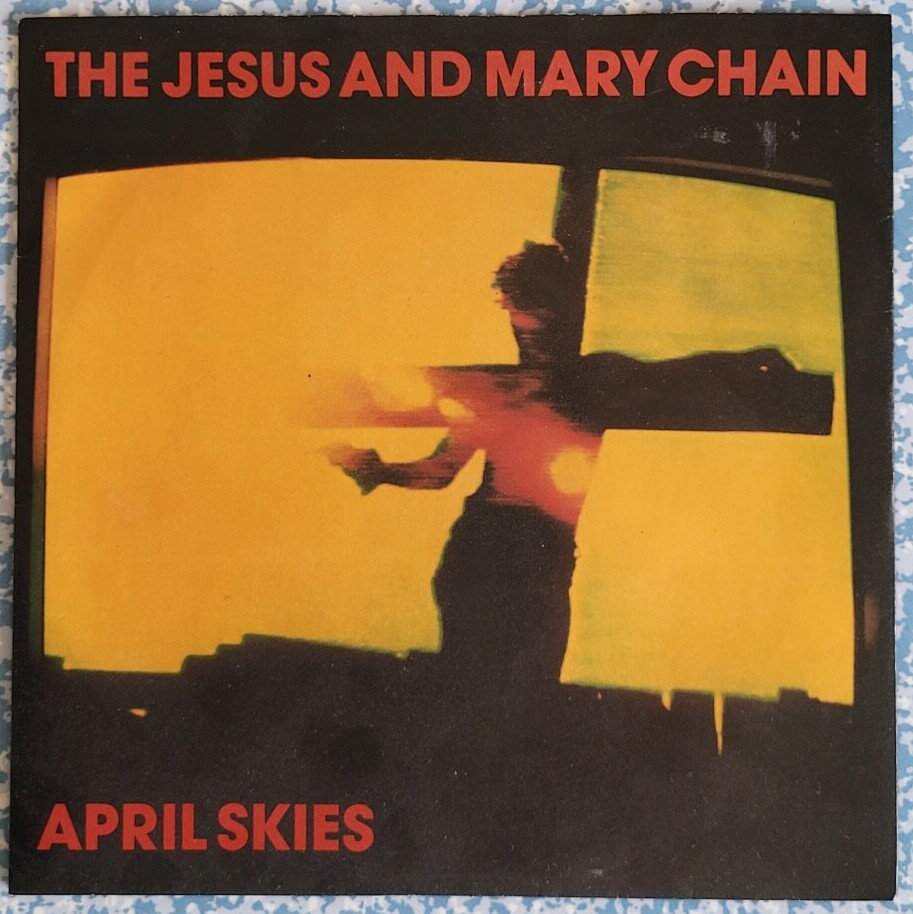
1987 – April Skies by The Jesus and Mary Chain
1988 – Desire by U2
1989 – You Keep It All In by The Beautiful South
Now, it’s over to you. I am genuinely curious to hear about the songs from the eighties that still get your foot tapping. Which tracks bring back the fondest memories? Which artists do you believe had the most influence on the eighties’ music scene? Feel free to share your thoughts and keep the conversation going.